Rhinoplasty can refine the size, shape, proportion, or symmetry of the nose while helping create greater balance among the facial features. Dr. Keith Ladner is a double board-certified facial plastic surgeon who focuses exclusively on cosmetic procedures of the face and completed advanced fellowship training in facial plastic and reconstructive surgery after his residency in Head & Neck Surgery and Facial Plastic Surgery.
Because even small changes to the nose can influence the appearance of the entire face, rhinoplasty requires careful planning based on each patient’s anatomy, concerns, and aesthetic goals. Dr. Ladner evaluates the nose from multiple angles and develops an individualized surgical approach designed to create balanced, natural-looking results.
What Is Rhinoplasty?
Rhinoplasty, commonly called nose surgery or a nose job, is a surgical procedure used to reshape the bone, cartilage, and other structures of the nose. Depending on the patient’s goals, surgery may change the bridge, tip, nostrils, projection, length, or overall proportions of the nose. Rhinoplasty may also be combined with procedures that address functional concerns, such as septoplasty for a deviated septum.
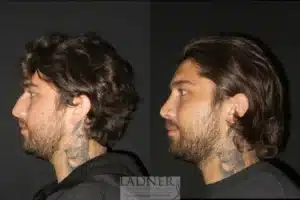
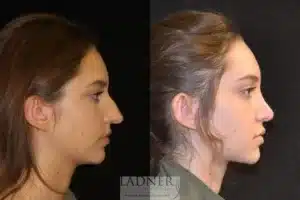

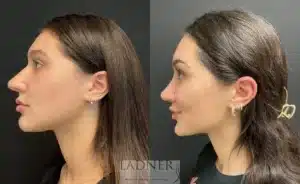

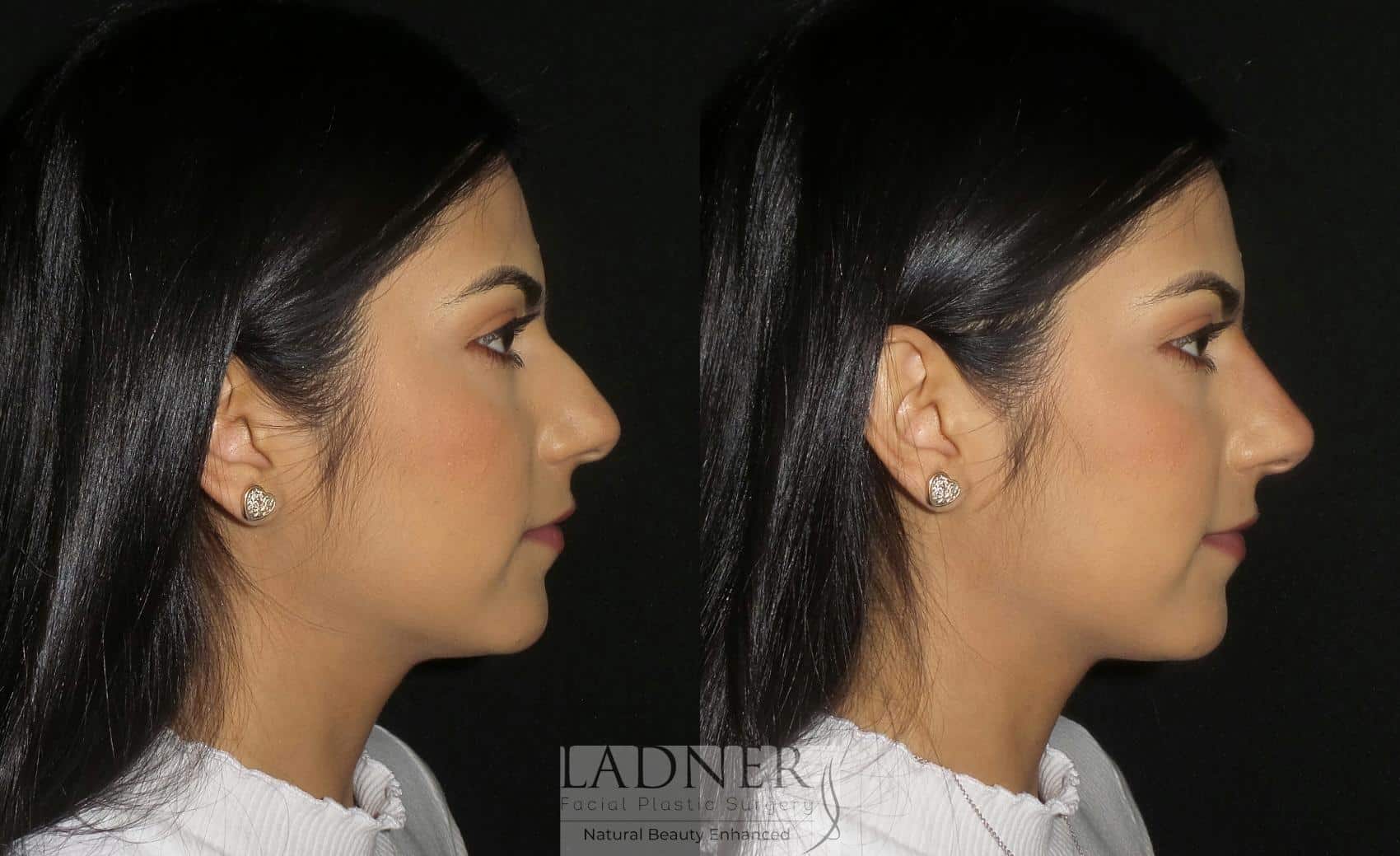
Keep in mind that each patient is unique and your results may vary.
What Are the Benefits of Rhinoplasty?
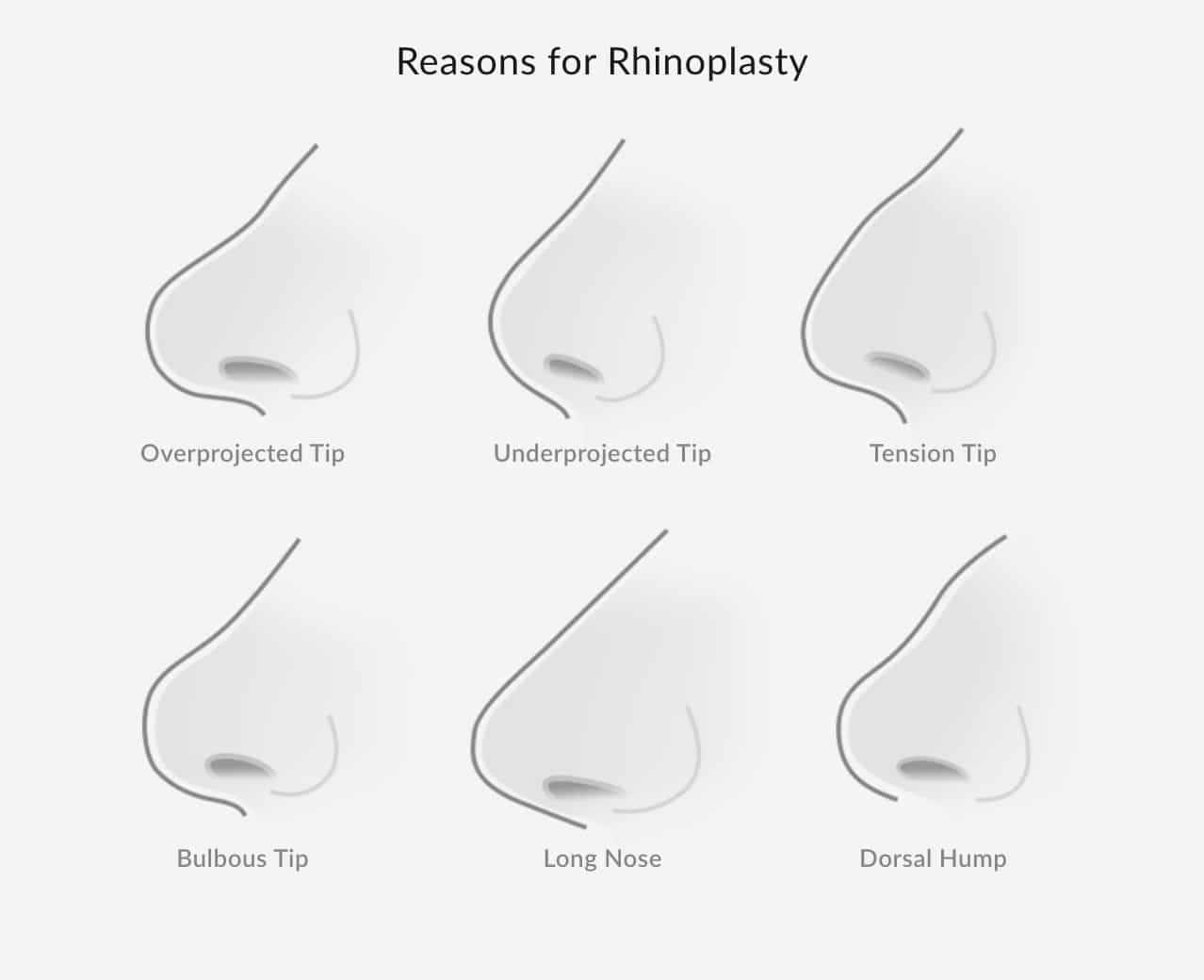
Rhinoplasty objectives include:
- Reducing an excessive dorsal hump for an attractive profile
- Improving the shape and definition of the nasal tip (reducing a bulbous tip)
- Narrowing wide nostrils
- Reducing excessive length
- Improving poor projection
- Straightening a crooked or previously broken nose
Is It Better To Have Open or Closed Rhinoplasty?
Patients often ask which technique is better, but the answer depends on the specific reasons for the surgery. Here is a comparison:
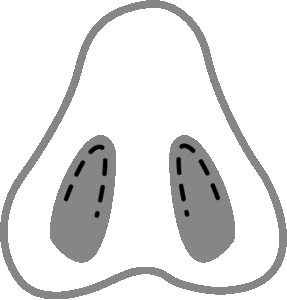
Closed rhinoplasty: Using this technique, plastic surgeons don’t make any external incisions. Instead, they make changes to the cartilage, bone, and septum through incisions within the nostrils.
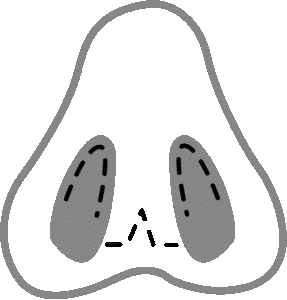
Open rhinoplasty: In this approach, plastic surgeons make 2 incisions inside the nostrils and a third incision along the thin strip of skin separating the nostrils (the columella). This provides them direct access to the structures of the lower nasal anatomy.
Potential Benefits of a Closed Approach
Dr. Ladner is proud to call himself a closed rhinoplasty specialist and expert. After performing more than 2,000 rhinoplasties in his career, Dr. Ladner offers insight into the potential benefits of this approach for appropriately selected patients.
- An internal approach: Closed rhinoplasty allows the surgeon to reshape the nasal bone and cartilage through incisions inside the nostrils. Open and closed rhinoplasty provide different levels of access, and the appropriate technique depends on the patient’s anatomy and surgical goals.
- No visible external scar: Dr. Ladner makes all incisions inside the nose during closed rhinoplasty. In contrast, the open approach includes an incision along the columella, the strip of tissue separating the nostrils.
A closed approach isn’t the right technique for all patients, though, and Dr. Ladner creates customized surgical plans tailored to each patient’s facial anatomy and cosmetic concerns. He may recommend combining nose surgery with chin augmentation, buccal fat removal, or other procedures to enhance the balance between your facial features.
What Happens During the Rhinoplasty Consultation?
The path to successful rhinoplasty results starts when you first contact Dr. Ladner’s office. At that point, we gather as much relevant information as possible to understand your specific concerns, even before the initial consultation. During the consultation, Dr. Ladner listens as you describe your cosmetic goals and what bothers you about your nose.
Dr. Ladner conducts a thorough physical exam of both the internal and external nasal structures and addresses any history of trauma to the nose or breathing problems that might need correction. His attention to detail includes whether you are bothered more by the front view or the profile view of the nose (or if it’s equal), and whether you notice asymmetry in photos.
How Is Dr. Ladner’s Approach to Rhinoplasty Different?
Having trained under one of the world’s leading rhinoplasty surgeons, Dr. Ladner learned the value of assessing each patient’s unique concerns through an objective, scientific lens and using a calculated, problem-solving approach to create a customized surgical plan.
What does that mean?
- Measuring all facial proportions and dimensions
- Conducting a detailed analysis of the nose using photos taken from the front, profile, and base views
This comprehensive assessment typically takes about 25 minutes and ensures that an objective analysis aligns with what patients themselves see.
Step-by-Step Explanation of What To Expect
Dr. Ladner firmly believes in educating you about what happens during and after your procedure. He explains the journey, what to expect during recovery, and the post-op care you or your loved ones will provide. On the day of surgery, Dr. Ladner arrives early to go through your surgical plan and answer any last-minute questions that you might have.
Most important during the surgery itself is Dr. Ladner’s attention to technical details and meticulous, deliberate approach. The primary goal is to achieve the best possible result, although revision surgery may sometimes be appropriate or necessary.

Who Is a Good Rhinoplasty Candidate?
Anyone concerned about the size or shape of their nose can benefit from cosmetic nose surgery. Teenagers (whose noses are no longer growing) and women and men in their 20s and 30s are the most common rhinoplasty patients, but the procedure can be performed on people into their 70s or 80s.
What Is Septoplasty?
Some patients may have trouble breathing because they have a crooked or deviated septum—a bony structure that also includes cartilage. Surgically correcting this condition is called septoplasty. Dr. Ladner performs septoplasty by making incisions in the nose, removing crooked portions of the septum, straightening them, and placing them back in their natural position.
What Is a Nonsurgical Nose Job?
If you would like to improve the shape of your nose without surgery, Dr. Ladner can perform a nonsurgical nose job, also called a liquid rhinoplasty, using dermal filler injections. Although this procedure cannot make your nose smaller, it can smooth out the bridge, reshape the tip, and soften sharp angles. While surgical results last indefinitely, nonsurgical nose job results are temporary. Learn more in this blog post.
What Happens During Rhinoplasty Recovery?
Rhinoplasty patients are often pleasantly surprised to find recovery easier than they expected. While experiences vary, notable milestones include:
- Minimize swelling and bruising: The degree of swelling and bruising varies with the specifics of each surgery. You can minimize these side effects by keeping your head elevated at all times (even while sleeping) and applying cold compresses to your cheeks as directed for the first few days.
- Return to work & school: Most patients feel ready to resume regular, nonstrenuous activities 3 to 5 days after the procedure.
- Remove splint: A small nasal splint is removed within 7 days of surgery. Dr. Ladner typically doesn’t use internal splints or nasal packing, which are often considered the most uncomfortable part of recovery.
- Resume exercise: Nonstrenuous exercise is encouraged as soon as possible to support healing. Most patients can resume strenuous exercise in about 3 to 4 weeks with special care to avoid impact to the nose.
- Go in public: Bruising usually resolves within 10 days. Depending on the degree of swelling, patients are typically ready to attend social gatherings in about 2 weeks.
- See results: Changes become visible as swelling decreases, with meaningful improvement typically developing during the first several months. Subtle swelling and refinement may continue for a year or longer, depending on the procedure and the patient’s healing process.
How Long After Rhinoplasty Will I See Results?
Changes are visible as the initial swelling decreases, and meaningful improvement typically develops during the first several months. However, subtle swelling and refinement may continue for a year or longer. The timeline varies based on the surgical approach, the extent of the procedure, skin thickness, and individual healing.
What Can’t Rhinoplasty Do?
Rhinoplasty can improve nasal shape, proportion, symmetry, and certain structural concerns, but it cannot create a completely different facial appearance or guarantee an exact result based on another person’s nose. The amount of change possible depends on factors such as bone structure, cartilage, skin thickness, previous surgery, and overall facial proportions. Rhinoplasty also cannot stop the natural aging process or eliminate every minor asymmetry.
During the consultation, Dr. Ladner evaluates these factors and discusses what changes are realistically achievable. The goal is to create a nose that looks balanced with the surrounding facial features while preserving a natural appearance.
Rhinoplasty FAQs
Why Choose Ladner Facial Plastic Surgery For Rhinoplasty?
Dr. Keith Ladner brings highly specialized facial surgery training to every rhinoplasty treatment plan. He is certified by both the American Board of Facial Plastic and Reconstructive Surgery and the American Board of Otolaryngology/Head and Neck Surgery and limits his practice exclusively to cosmetic facial procedures. His advanced training included residency in Head & Neck Surgery and Facial Plastic Surgery at the University of North Carolina, followed by a competitive fellowship in facial plastic and reconstructive surgery under Dr. Edward Farrior, a former president of the American Academy of Facial Plastic and Reconstructive Surgery.
Dr. Ladner later served as faculty in the Division of Facial Plastic & Reconstructive Surgery at the University of South Florida. His extensive rhinoplasty experience and detailed evaluation process enable surgical planning that accounts for both the nose itself and its relationship to surrounding facial features.
Explore Rhinoplasty In Denver, CO & Beverly Hills, CA
Rhinoplasty can address features that feel out of proportion while preserving the characteristics that make each face individual. Dr. Ladner develops personalized surgical plans based on nasal anatomy, facial balance, and each patient’s specific goals.
To schedule a consultation with Ladner Facial Plastic Surgery, call (213) 457-7740 for Beverly Hills or (303) 253-7686 for Denver to discuss whether rhinoplasty may be right for you.