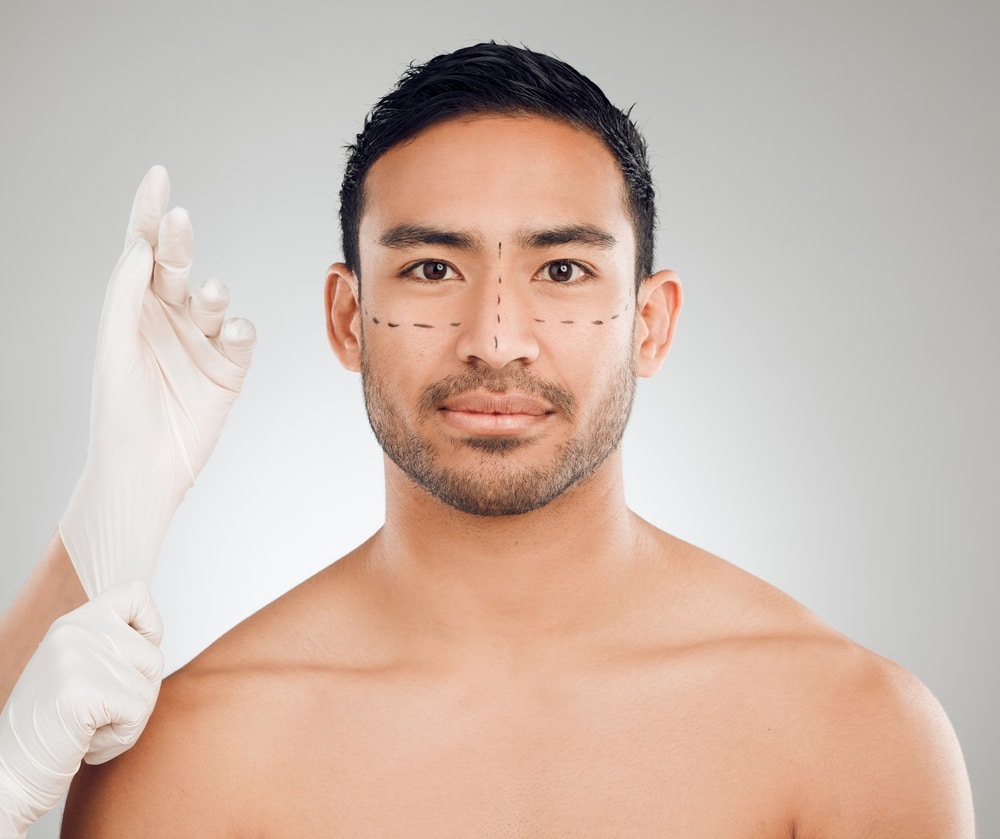
Combining facial procedures is not about performing more surgery than necessary. When appropriate, it lets you address interconnected areas of facial aging through a coordinated plan. Because changes in the forehead, eyes, cheeks, jawline, and neck can influence one another, treating carefully selected areas together may create more balanced facial rejuvenation.
Dr. Keith Ladner is a double board-certified facial plastic surgeon with advanced fellowship training in facial plastic and reconstructive surgery. He focuses exclusively on cosmetic facial procedures and develops individualized plans that preserve each patient’s natural facial character. For patients considering facial rejuvenation in Denver, his recommendations reflect their anatomy, concerns, health, and desired recovery timeline.
Why Combine Facial Procedures?
Facial aging does not always occur in isolation. A low brow can contribute to upper eyelid heaviness, while lower facial laxity may affect the transition between the jawline and neck. Volume loss can also make sagging or facial folds appear more pronounced.
Combining facial plastic surgery procedures may allow a surgeon to address these relationships rather than treating each concern independently. Potential benefits include:
- More balanced rejuvenation across related facial areas
- A coordinated plan for laxity, volume loss, and facial contours
- Results that avoid making one area appear out of proportion
- The ability to address multiple concerns during a single surgical period
Recovery is not necessarily shorter or easier when procedures are combined. The appropriate approach depends on the number and type of procedures, the patient’s health and skin quality, and the extent of correction needed.
Facelift and Neck Lift
A facelift and neck lift are often considered together because aging frequently affects the lower face and neck at the same time. A facelift can improve jowls, lower facial sagging, and deeper folds, while a neck lift may address loose skin, muscle banding, or fullness beneath the chin.
Treating both areas may create a smoother transition from the jawline to the neck. The goal is to restore definition without producing an overly tightened or dramatically different appearance.
Facelift and Eyelid Surgery
Facelift surgery primarily addresses the lower face, while blepharoplasty focuses on the upper or lower eyelids. A facelift and eyelid surgery may be combined when aging around the eyes and lower face contributes to an uneven or consistently tired appearance.
Eyelid surgery can reduce excess upper eyelid skin or under-eye puffiness. When carefully coordinated with a facelift, it can help the upper and lower face appear similarly refreshed while preserving the natural shape and character of the eyes.
Brow Lift and Blepharoplasty
A brow lift may improve a low or heavy brow, while blepharoplasty removes selected excess tissue around the eyes. Careful assessment is important because brow position can contribute to apparent upper eyelid heaviness.
Combining a brow lift and blepharoplasty may create a more open, rested appearance. Evaluating both areas together also helps avoid removing too much eyelid skin when brow position is contributing to the concern.
Facelift and Fat Transfer
A facelift and fat transfer address different components of facial aging. Facelift surgery repositions lax tissues and improves facial contours, while fat transfer can restore volume lost from areas such as the cheeks or temples.
For selected patients, treating both tissue laxity and volume loss may create a softer, more harmonious result than addressing either concern alone. Fat transfer is not needed with every facelift, and the amount and placement must be carefully planned to maintain natural facial proportions.
Frequently Asked Questions
Can Facial Plastic Surgery Procedures Be Combined?
Yes. Procedures may be combined when appropriate for the patient’s anatomy, health, goals, and recovery preferences. Not every patient needs multiple procedures.
Is It Safer to Combine Facial Procedures or Have Them Separately?
There is no single answer for every patient. Dr. Ladner considers the anticipated surgical time, medical history, procedures involved, and recovery needs before recommending combined or staged surgery.
How Long Does Recovery Take After Combined Facial Procedures?
Recovery varies according to the number and type of procedures performed. Combining procedures may increase swelling, bruising, or healing time, so patients receive a recovery estimate based on their specific surgical plan.
How Does Dr. Ladner Decide Which Procedures to Combine?
Dr. Ladner evaluates facial anatomy, aging patterns, skin quality, overall health, goals, and the desired recovery timeline. He may recommend combined facial surgery, staged procedures, or one procedure when that is the most appropriate approach.
Planning Combined Facial Surgery in Denver, CO
Not every patient seeking facial rejuvenation needs multiple procedures. After a detailed evaluation, Dr. Ladner may recommend combining treatments, staging them at different times, or performing a single procedure based on the safest, most effective path to balanced results. To meet with a facial plastic surgeon in Denver and discuss combined facial procedures, call Ladner Facial Plastic Surgery at (303) 253-7686 to schedule a consultation.