Laser skin resurfacing and microneedling are both effective skin rejuvenation options that initiate and encourage the skin’s natural healing process. They stimulate the production of the proteins elastin and collagen, which affect skin resilience and flexibility.
While both of these nonsurgical treatment options can help you achieve a healthier, more youthful appearance, the right choice for you will depend on factors such as your skin type, aesthetic goals and expert recommendations. Learn more about the two treatments to discover which is best for your skin.
What Is Laser Skin Resurfacing?
Laser skin resurfacing uses a laser to target specific areas of the skin. It treats deep skin layers and stimulates new collagen formation at the cellular level to promote natural, long-term rejuvenation. Lasers deliver controlled damage to the skin, working on small areas without damaging surrounding tissues. They instigate the body’s natural healing process to create a bright, smooth and firm new layer of skin with little to no blemishes.
Ablative laser resurfacing removes the outer skin layer and heats the underlying skin. Nonablative laser resurfacing only heats the deeper skin layers. Both methods address specific problems, such as hyperpigmentation, significant sun damage, spider veins, pronounced skin irregularities, scarring, uneven tone or texture, fine lines and deep wrinkles.
Procedure and Aftercare
Depending on the modality, laser resurfacing procedures can take 30 minutes to an hour. The modality will also determine whether patients receive conscious sedation or topical numbing. The lasers will heat the skin and encourage the body to increase collagen production.
After receiving treatment, patients will have raw, itchy skin that can take two or more weeks to heal fully. Individuals should avoid sun exposure during the two-week healing period and for a few months afterward. Avoiding swimming pools, hot tubs and other places that could infect the skin with bacteria is critical. Patients should also hold off on applying makeup and skin care products until the skin has fully healed.
Results and Side Effects
Individuals who receive laser skin resurfacing can expect results such as:
- Tighter skin
- A more even skin tone
- Reduced aging signs
Common side effects include:
- Redness
- Swelling
- Itching
- Temporary discoloration
Infection and scarring are rare side effects.
Pros and Cons
Laser resurfacing stimulates collagen production to promote younger, healthier skin cell growth. It offers benefits such as:
- Improved skin texture: Laser treatment can help replace old, scarred skin tissue with healthier tissue that makes the skin look firmer and smoother.
- Long-lasting results: Once the treated area fully heals, it will maintain a youthful appearance for several years.
- Reduced risks of scarring: Because the lasers use heat rather than punctures, the procedure carries a lower risk of scarring.
This treatment option is more expensive than microneedling, and it has a much longer downtime for healing. While lasers are less likely to cause scarring, they can cause discoloration, particularly for darker skin tones.
What Is Microneedling?
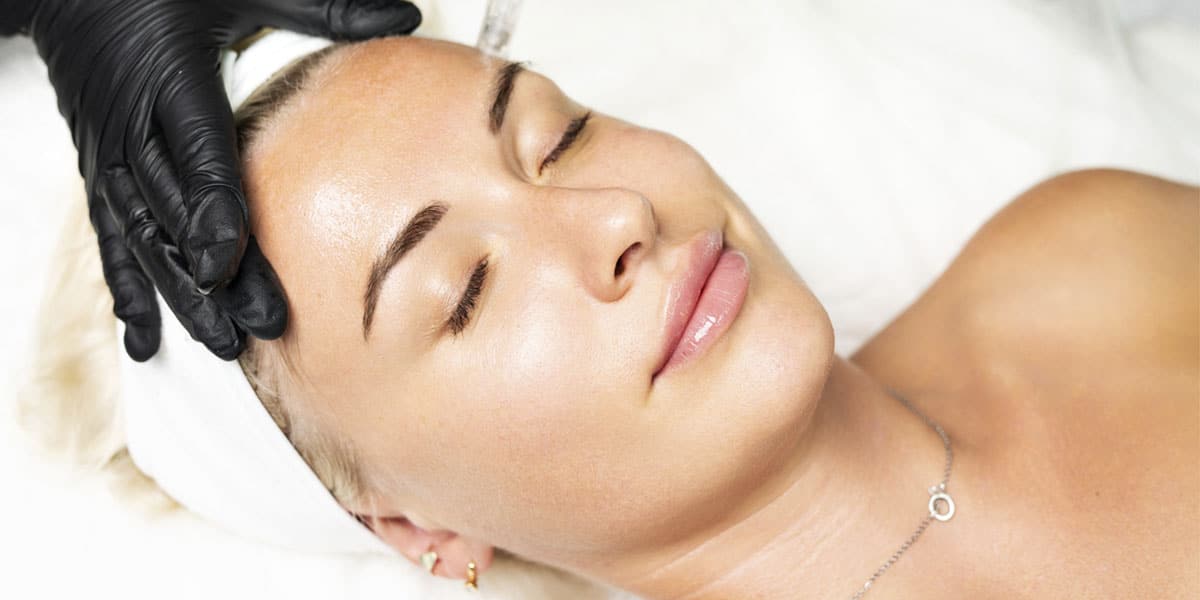
Microneedling uses a device with several tiny needles to create controlled micro-injuries that initiate the skin’s repair process. These microscopic punctures trigger the body’s injury response, resulting in collagen and elastin formation that builds a thicker and healthier skin layer.
By creating thousands of microchannels across the treatment area, microneedling encourages collagen production that fills depressions caused by skin surface issues such as:
- Uneven skin tone and texture
- Large pores
- Hyperpigmentation
- Small scars
- Slight wrinkles
Procedure and Aftercare

Microneedling treatments are usually finished in as little as 30 minutes. Patients will receive a topical numbing cream to minimize discomfort. The nurse or esthetician will use a microneedling device to make minor injuries across the skin’s surface to start the natural healing process and boost collagen and elastin production. After the treatment, offices typically give patients masks and serums to keep their skin cool until they leave the office.
Patients will have a light sunburn appearance for a day or two after treatment. While the appearance will fade quickly, individuals will still need to avoid touching or scratching the area and stay out of the sun for two or three days. Those who receive microneedling treatments can continue skin care routines, but they should not use makeup or products with active ingredients, fragrances or essential oils for a few days after the treatment.
Results and Side Effects
The first results can be visible within a few weeks and become more apparent within three to six months. Individuals can expect results such as:
- Softened wrinkles
- Smoother skin texture, especially over scars and stretch marks
- Reduced hyperpigmentation
While microneedling is generally considered gentler than laser skin resurfacing, it does have a few side effects, such as:
- Redness
- Swelling
- Peeling
- Bruising
- Dryness
- Tightness
- Tenderness
These side effects typically subside within a day of receiving the procedure. Scarring, bleeding or bruising are rare side effects.
Pros and Cons
Microneedling is advantageous because it can be used for all skin types. If you want a proactive skin care method that is quick and easy with minimal risk, microneedling may be ideal. It offers additional benefits such as:
- Minimal risk of skin discoloration
- More effective skin care product penetration
- Relatively quick recovery times
The initial changes from microneedling treatment are subtle, so individuals will need multiple sessions over several weeks to see visible changes.
Who Is an Ideal Candidate for Laser Resurfacing vs. Microneedling?
Healthy individuals from all backgrounds and age groups are generally good candidates for microneedling or laser treatments for wrinkles, scarring, hyperpigmentation and other skin issues. Patients who are taking medication that contains isotretinoin or who are pregnant or lactating should not receive these treatments.
Ideal patients for laser resurfacing are those with a specific problem they want to address. Individuals may seek laser resurfacing in combination with a facelift to make the procedures more effective. Patients with darker skin tones should be cautious of the higher risk of hyperpigmentation. Those with active acne breakouts should avoid laser resurfacing since treatments can worsen flare-ups.
Microneedling can appeal to those with busy lifestyles who need convenience. Candidates for microneedling must be free from active infections, rashes or acne, as bacteria from these conditions can enter microchannels and develop or worsen infections. Individuals should not receive microneedling treatment if they have:
- Clotting or bleeding disorders
- Skin conditions such as eczema or psoriasis
- Cold sores
- High blood sugar
- Blood thinning medications
- Hepatitis or HIV
When deciding between receiving microneedling or laser resurfacing treatment, keep in mind that some skin types and concerns may respond better to one treatment over the other. Laser resurfacing and microneedling can also be used together on the same day or as alternating treatments. Consulting with an expert is the best way to decide the right solution for your skin needs and goals.
Meet With Dr. Ladner to Discuss Microneedling vs. Laser Resurfacing for You
Ladner Facial Plastic Surgery is proud to offer nonsurgical microneedling and laser skin resurfacing services to help you achieve your aesthetic goals. Request a consultation today to meet with Dr. Ladner and determine which treatment option is ideal for your specific needs.